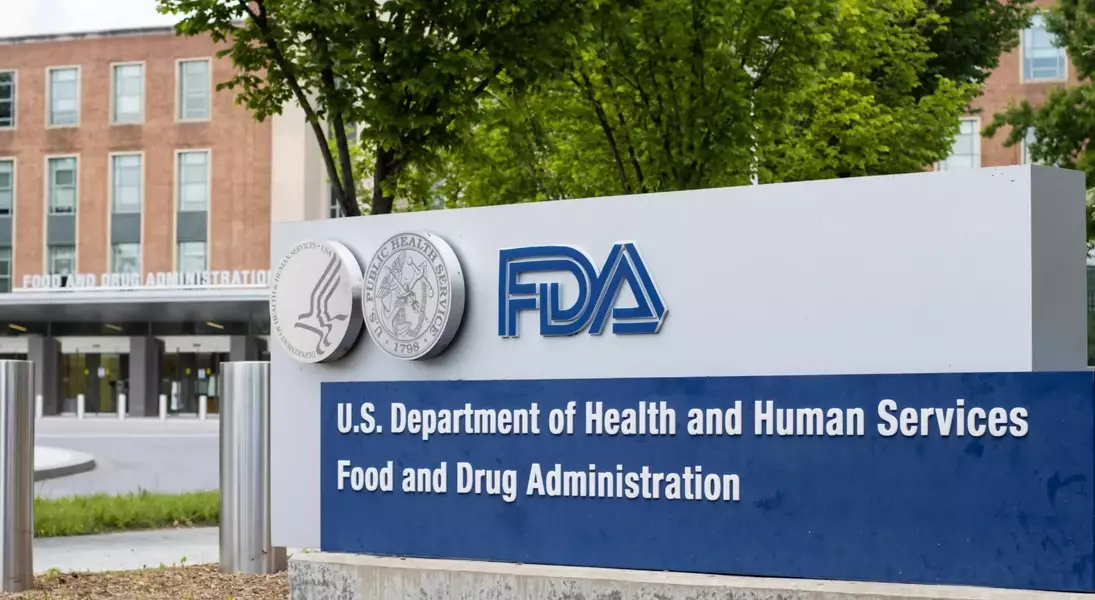
In a surprising turn of events, a novel radiopharmaceutical cancer treatment, developed to contend with existing therapies from Novartis, has been turned down by the U.S. Food and Drug Administration. The regulatory body cited deficiencies in manufacturing processes as the primary reason for this rejection, casting uncertainty over the future of this promising medical innovation.
Regulatory Setback for ITM's Radiopharmaceutical Therapy
On August 10, 2026, the Food and Drug Administration (FDA) delivered an unexpected decision, rejecting ITM-11, a radiopharmaceutical therapy from ITM Isotope Technologies Munich SE. This therapy, aimed at treating gastroenteropancreatic neuroendocrine tumors (GEP-NETs), a rare cancer affecting the digestive system, was poised to offer a new competitive option against treatments currently offered by pharmaceutical giant Novartis.
ITM Isotope Technologies Munich SE, a veteran in the radiopharmaceutical domain, received a complete response letter from the FDA, explicitly pointing to unresolved manufacturing issues. This regulatory setback comes despite promising clinical trial results reported in March 2025, where patients receiving ITM-11 infusions demonstrated a median progression-free survival of 23.9 months. This significantly surpassed the 14.1 months achieved by patients on everolimus, another treatment available in the market.
The rejection highlights the FDA's stringent focus on manufacturing quality and consistency, particularly for complex therapies like radiopharmaceuticals. While the clinical efficacy data for ITM-11 was encouraging, the agency's decision underscores that robust manufacturing protocols are equally critical for drug approval. This development is a notable moment in the biotech sector, reminding developers that even innovative treatments must meet rigorous production standards.
This situation serves as a critical reminder within the pharmaceutical industry that regulatory approval hinges not only on a treatment's clinical effectiveness but also on its adherence to strict manufacturing quality standards. For companies developing advanced therapies, ensuring meticulous production processes is as vital as demonstrating therapeutic benefits. This event underscores the FDA's unwavering commitment to patient safety and product integrity, compelling drug developers to maintain the highest operational standards throughout the entire development and manufacturing lifecycle.