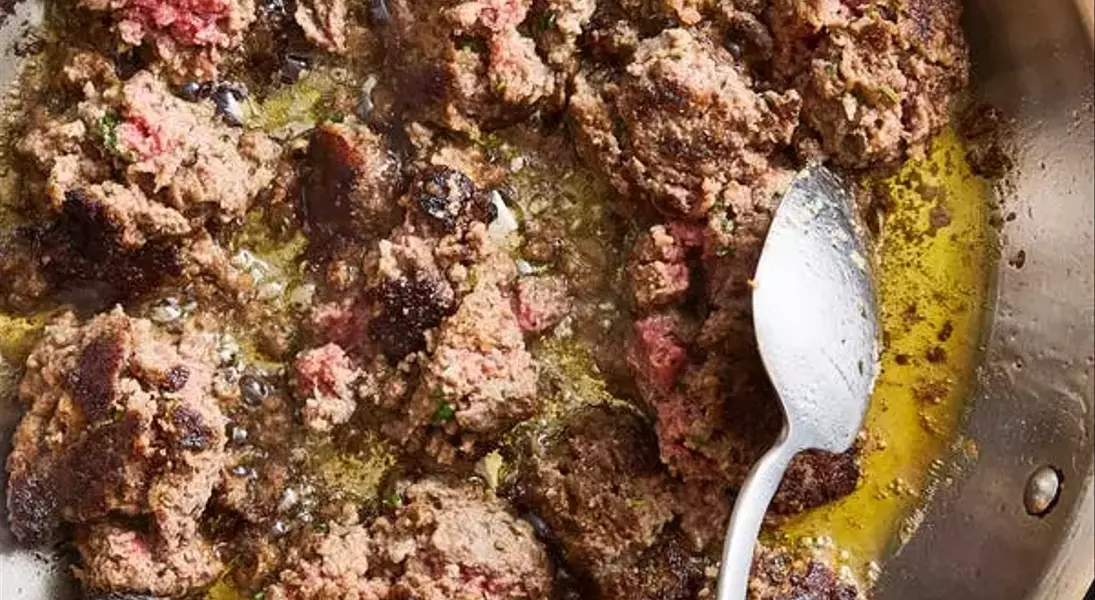
This piece explores a groundbreaking method for preparing meatballs that completely bypasses the traditional, time-consuming rolling process. By searing mounds of meat in a hot skillet and then breaking them into smaller, uniquely shaped pieces, cooks can achieve a delicious result with significantly less effort. This approach not only streamlines meal preparation, making it ideal for busy weeknights, but also introduces an appealing, rustic texture to the finished dish. The article emphasizes that while perfectly spherical meatballs have their charm, this alternative offers a practical and equally enjoyable culinary experience, particularly when the meatballs are destined for a rich sauce or broth.
The Ingenious No-Roll Meatball Technique
The conventional task of shaping meatballs often feels like an artistic endeavor, involving repetitive rolling and meticulous sizing. However, this innovative method transforms meatball making into a more efficient process. Instead of sculpting individual spheres, the technique involves placing larger portions of the meat mixture directly into a hot pan, allowing them to sear. This initial searing creates a flavorful crust before the meat is broken down into smaller, irregularly shaped fragments. These 'craggy' pieces, as they are described, offer a delightful alternative to perfectly uniform meatballs, capturing sauce and adding visual interest to any dish. This simple modification liberates home cooks from the tedious hand-rolling, saving valuable time and effort in the kitchen.
This novel cooking strategy is particularly well-suited for recipes where meatballs are intended to be simmered in a liquid, such as a rich pomodoro sauce or a savory broth. The irregular surfaces and varied contours of the no-roll meatballs are adept at absorbing flavors from the surrounding liquid, resulting in a more deeply infused and satisfying taste experience. Furthermore, the recipe suggests that while beef is a popular choice, this technique is versatile enough to accommodate other ground meats like pork, lamb, chicken, or turkey, allowing for creative culinary exploration. The fundamental principle remains to ensure the meat mixture itself is well-seasoned and flavorful, incorporating ingredients like milk-soaked bread crumbs for tenderness, Parmesan, garlic, parsley, and fennel. This approach proves that delicious, homemade meatballs can be achieved without the strict adherence to conventional shaping, making gourmet meals more accessible and less daunting for everyday cooking.
Embracing Rustic Charm and Culinary Efficiency
The allure of perfectly round meatballs often drives cooks to spend considerable time on presentation, yet this article challenges that notion by advocating for a more pragmatic and equally rewarding outcome. The no-roll method results in meatballs that possess a rustic, almost geological appearance, characterized by broad browned surfaces, uneven edges, and small crevices. These unique textural qualities not only enhance the visual appeal but also create more opportunities for sauces to cling and penetrate, enriching the overall flavor profile of the dish. This approach allows for a celebration of imperfect beauty in cooking, acknowledging that evidence of the handmade process can add character and warmth to a meal. It serves as a reminder that culinary excellence does not always equate to flawless uniformity, especially when balancing taste, effort, and time constraints.
This efficient cooking hack is a boon for individuals seeking to streamline their meal preparation without sacrificing the quality or taste of their food. The time saved from not having to roll each meatball individually can be significant, especially on busy weeknights or when managing a larger meal. The versatility of this technique extends beyond specific recipes, suggesting that many existing meatball preparations can be adapted to this no-roll philosophy. Whether incorporated into a hearty albondigas soup, a creamy coconut milk stew, or a classic pasta dish, the craggy meatballs will perform admirably. The ultimate takeaway is that while traditional, perfectly round meatballs are undoubtedly charming, there are indeed times when prioritizing efficiency and a more natural aesthetic can lead to an equally delicious and far less laborious culinary journey, proving that sometimes, less effort can yield equally impressive results.