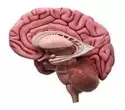
A recent investigation by the Mayo Clinic has unveiled the promising capabilities of cerebrospinal fluid (CSF) liquid biopsies for identifying tumor-related DNA in intricate brain tumor scenarios. This innovative technique serves as an alternative diagnostic tool, particularly when magnetic resonance imaging (MRI) fails to yield a definitive diagnosis or when acquiring tissue samples via traditional biopsy poses significant challenges or risks.
Breakthrough in Brain Tumor Diagnostics: CSF Liquid Biopsy
In an insightful study conducted by Mayo Clinic, researchers explored the efficacy of analyzing DNA found within cerebrospinal fluid as a diagnostic pathway for brain tumors. The findings, recently published in the Journal of Neuro-Oncology, reveal that this method can provide vital insights in situations where standard diagnostic procedures, such as MRI scans and tissue biopsies, prove insufficient or too perilous.
The study encompassed 76 patients, each presenting with one of three complex neurological conditions: an unidentified brain or spinal cord abnormality, imaging results that ambiguously indicated either tumor progression or treatment side effects, or suspected leptomeningeal disease, where cancer cells have disseminated into the membranes and fluid enveloping the brain and spinal cord. Out of these patients, the liquid biopsy successfully identified tumor-associated DNA in 20 individuals, representing 26% of the cohort. For these patients, the CSF analysis furnished supplementary evidence that could be integrated with existing imaging data, pathological assessments, and the patient's overall clinical presentation to formulate a more comprehensive diagnosis.
While MRI and conventional tissue biopsies remain cornerstones in the diagnosis and ongoing management of brain and spinal cord cancers, they inherently possess limitations. MRI scans can often produce ambiguous images, making it difficult to differentiate between cancerous growths, inflammatory responses, or post-treatment effects. Furthermore, the anatomical location of certain lesions can render tissue biopsy an unsafe or impractical option. Consequently, the medical community has been actively investigating alternative diagnostic avenues, such as liquid biopsies, which aim to detect tumor-related biomarkers in bodily fluids rather than directly from tissue samples. Although blood-based liquid biopsies are more common, the protective blood-brain barrier often hinders the reliable detection of brain tumor DNA in the bloodstream. This challenge prompted Mayo Clinic researchers to focus on cerebrospinal fluid, which directly surrounds the brain and spinal cord, offering a more direct route to identify fragmented tumor DNA (known as cell-free DNA).
The process involves collecting CSF through a lumbar puncture, commonly referred to as a spinal tap, where a fine needle is carefully inserted into the lower back. The collected fluid is then meticulously analyzed for genetic alterations and broader DNA patterns characteristic of tumors. Dr. Terry Burns, a neurosurgeon and senior author of the Mayo Clinic study, emphasized the significance of this technique, stating, "In certain instances, this CSF DNA methodology has delivered crucial diagnostic information when obtaining tissue safely was not feasible."
The study's results demonstrated that while tumor DNA was found in 20 patients, 29 other patients yielded samples with sufficient DNA for analysis, yet no tumor DNA was detected. An additional 27 samples did not contain enough viable DNA for a complete assessment. It is important to note that a negative result does not definitively exclude the presence of cancer, as the concentration of tumor DNA in CSF can fluctuate, and some samples may contain levels too low for current detection methods. Ongoing research is dedicated to refining these analytical techniques to enhance the detection of minute quantities of DNA.
Beyond merely signaling the presence of tumor material, CSF DNA testing holds the potential to unveil the specific genetic characteristics of a tumor. In the future, this detailed genetic profile could guide healthcare teams toward suitable clinical trials or personalized treatment strategies that precisely target these genetic anomalies. Cecile Riviere-Cazaux, a co-first author from the Mayo Clinic Alix School of Medicine, highlighted the broader aspirations for this research: "Our aim is for CSF cell-free DNA testing to equip patients and their medical teams with diagnostic clarity when answers are otherwise elusive. As our understanding expands, we envision this approach facilitating patient access to clinical trials and bespoke treatment options."
It is important to underscore that the CSF DNA test remains an investigational tool. When safely attainable, tumor tissue biopsy continues to be the definitive standard for diagnosis. Researchers are diligently working to identify which patient populations would most benefit from CSF DNA analysis and how this technique can best complement existing imaging, pathology, and other established diagnostic procedures. Efforts are also underway to refine the analysis of samples containing minimal tumor DNA and to investigate how changes in DNA and other biomarkers over time can provide insights into a tumor's response to treatment.
The advent of cerebrospinal fluid liquid biopsies represents a significant leap forward in the challenging realm of brain tumor diagnosis. By offering a less invasive yet highly informative alternative to traditional methods, this technology not only promises to clarify ambiguous cases but also to usher in an era of more personalized and targeted therapeutic interventions. The ongoing advancements in this field underscore a persistent commitment to enhancing patient care and outcomes in neuro-oncology.